
MILL · TURN · ROUTE
Custom CNC machining for one-offs and small batches
For engineers, inventors, restorers and makers who need parts cut from solid material. Post your drawing and get quotes from makers with CNC machines registered on the platform.
Free app for iOS and Android. You post the job, makers quote, you choose.
About CNC Machining
CNC machining cuts parts from solid metal, plastic, wood or composite using computer-controlled mills, lathes and routers. It suits parts that need to be strong, accurate or made from a specific material: prototypes, brackets, housings, fixtures, furniture panels and replacements for parts that are no longer made. On The Spool List you post the job free with a CAD file (STEP is ideal) or a dimensioned drawing, plus material, tolerances, finish and quantity. Verified makers whose CNC machines are registered on the platform send quotes. You pick a maker, pay the quoted price, and your payment is protected until you confirm delivery.
Typical jobs
Aluminium prototype part
A machined housing, bracket or plate to prove a design in the final material.
Obsolete machine part
A worn or discontinued gear, bushing, spacer or bracket remade from the original or a drawing.
Turned parts
Shafts, pins, spacers and threaded fittings made on a CNC lathe.
Router-cut sheet goods
Plywood, MDF or HDPE panels cut to shape for furniture, shopfitting or displays.
Jigs and fixtures
Custom workholding, drill guides and assembly fixtures for a workshop or production line.
Engraved and pocketed plates
Control panels, name plates and front panels with pockets, holes and engraved text.
Automotive and motorsport parts
Brackets, adaptor plates and spacers for restoration or custom builds, not safety-critical components.
Small production run
Tens to hundreds of identical machined parts for a product or a repair programme.
Materials
- Aluminium 6061
- Aluminium 7075
- Mild steel
- Stainless steel 304 / 316
- Brass
- Copper
- Titanium
- Delrin / POM (acetal)
- Nylon
- HDPE
- Acrylic (PMMA)
- Polycarbonate
- Hardwood
- Plywood
- MDF
- Carbon-fibre sheet
Processes
- 3-axis milling
- 4- and 5-axis milling
- CNC turning (lathe)
- Mill-turn
- CNC routing
- Drilling and tapping
- Engraving
- Finishing: deburring, bead blasting, anodising, powder coating
CNC milling
CNC milling removes material from a solid block with a rotating cutter that moves along programmed paths. It suits flat faces, pockets, slots, holes and 3D surfaces, and is the most common process for one-off machined parts in aluminium, steel, brass, plastics such as acetal and nylon, and wood.
Three-axis mills cut from one direction at a time, so parts with features on several faces may need more than one setup. Four- and five-axis machines can reach more faces in fewer setups. Send a STEP file or a dimensioned drawing, the material and the quantity, and makers will say which of their machines suits the part.
Precision CNC machining
Precision CNC machining means holding tight tolerances on the features that matter, such as bearing bores, mating faces and threaded holes. What a shop can hold depends on its machines, tooling, inspection equipment and the material, so it varies from maker to maker.
Put tolerances only where the part needs them and mark them on the drawing, along with any required surface finish, thread specifications and critical dimensions. Tighter tolerances take more machine time and inspection, so they usually cost more. Ask makers how they will measure the critical features before you accept a quote.
For sale now in the Forge
Ready-made items listed by the makers who make them. Prices set by each maker.
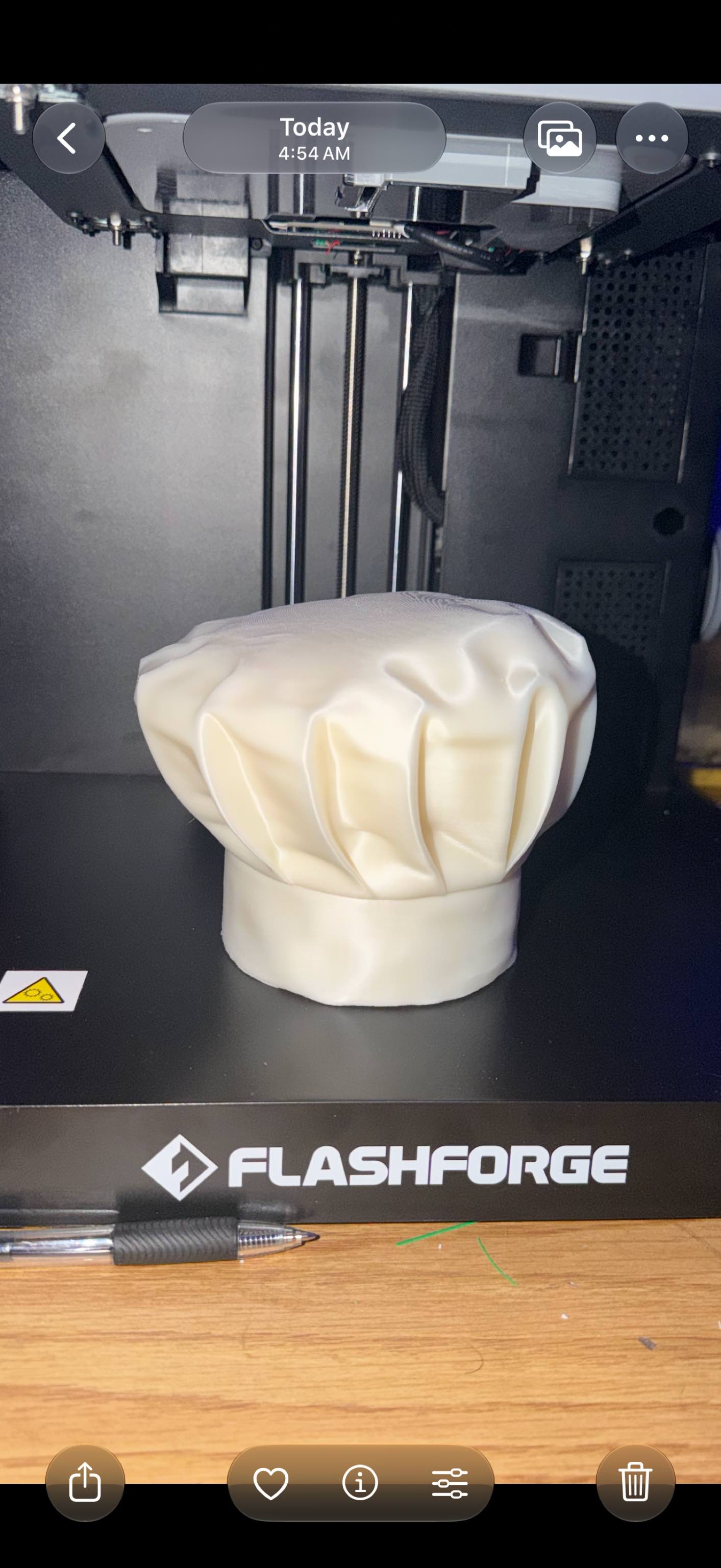
Custom Made Chef Hat, Off Set White to Make Look More Natural 👨🍳
Home decor · by Dominic Hartenstein (Buffalo 3D Printing)
$30.00
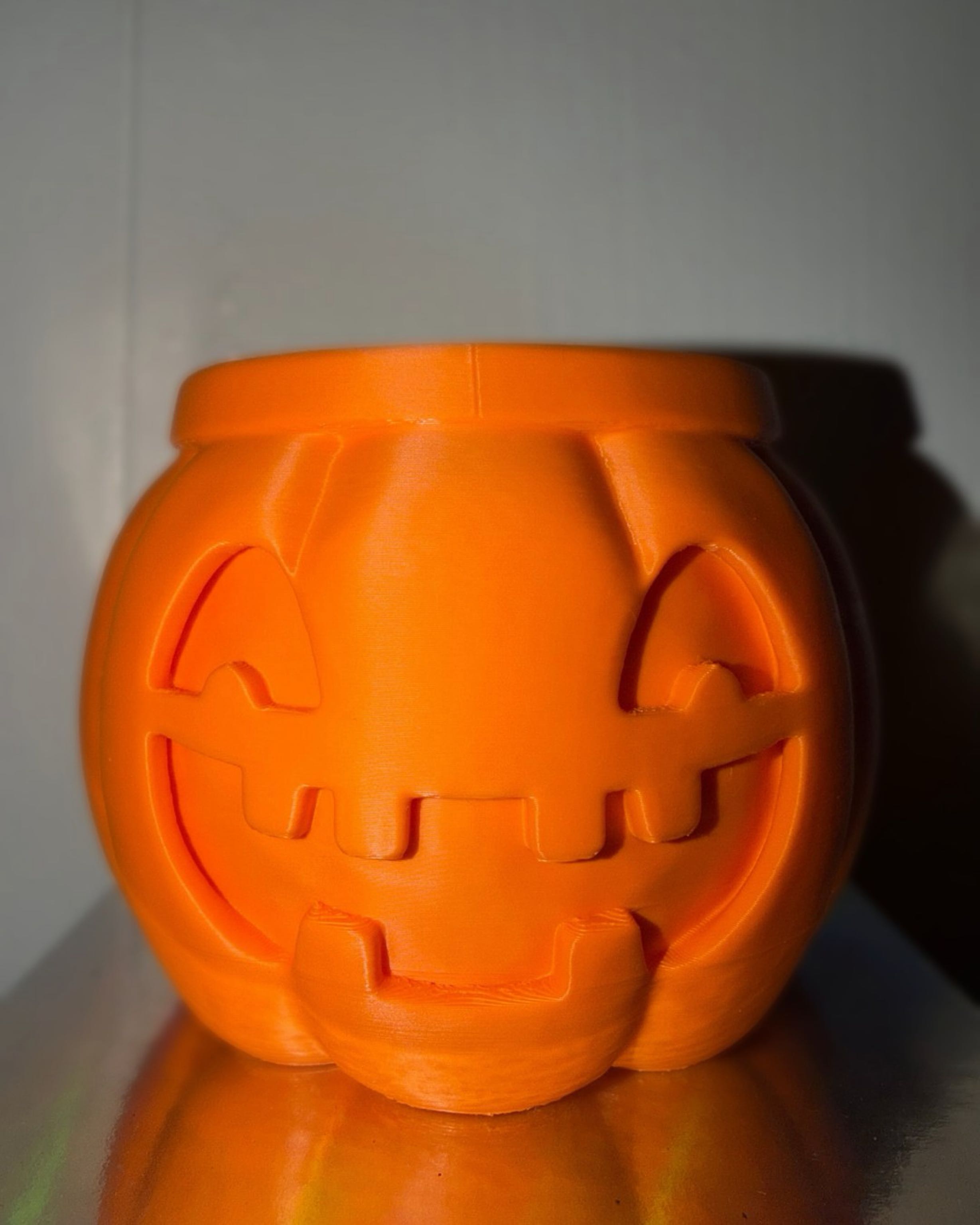
Holder for anything, Pumpkin Design 3D Printed in PLA for Halloween 🎃
Home decor · by Dominic Hartenstein (Buffalo 3D Printing)
$35.00
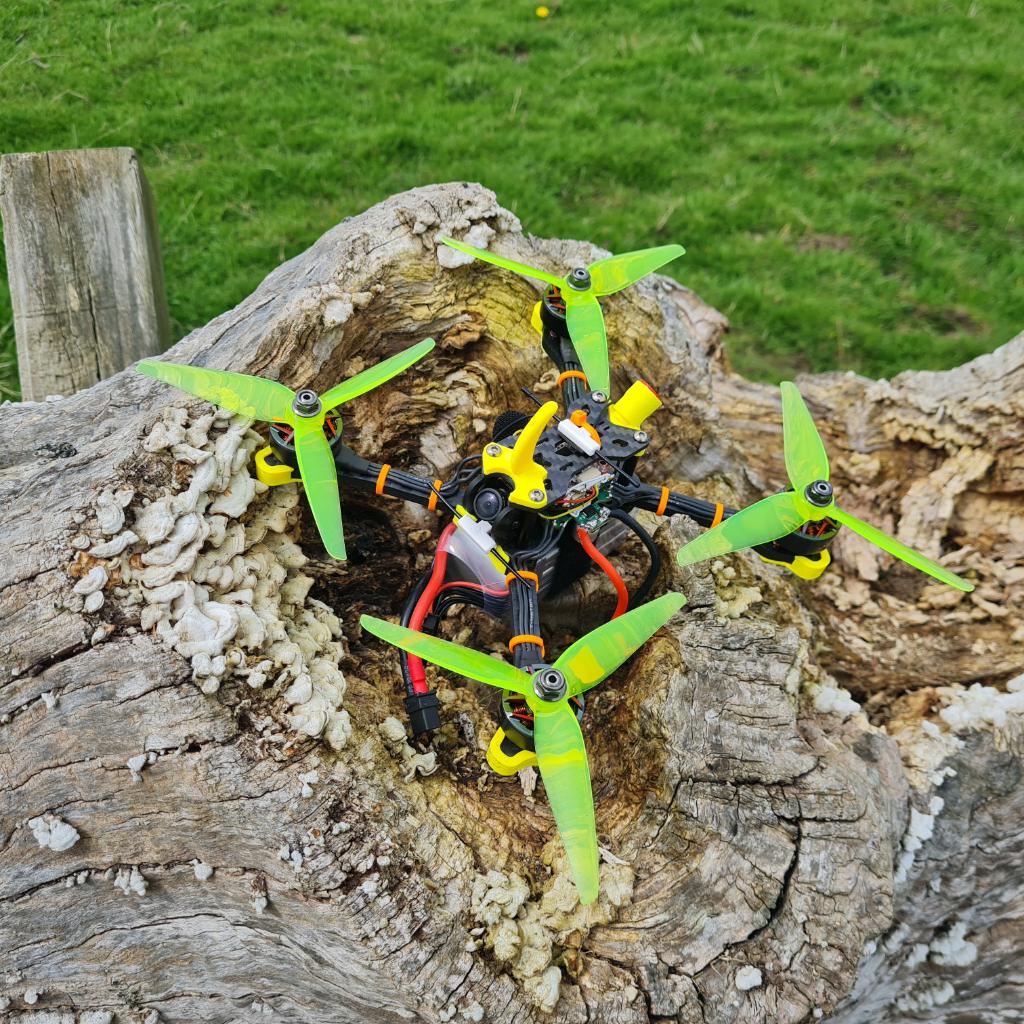
Custom fpv camera racing or freestyle drones
RC & drones · by mauricesminis
$800.00
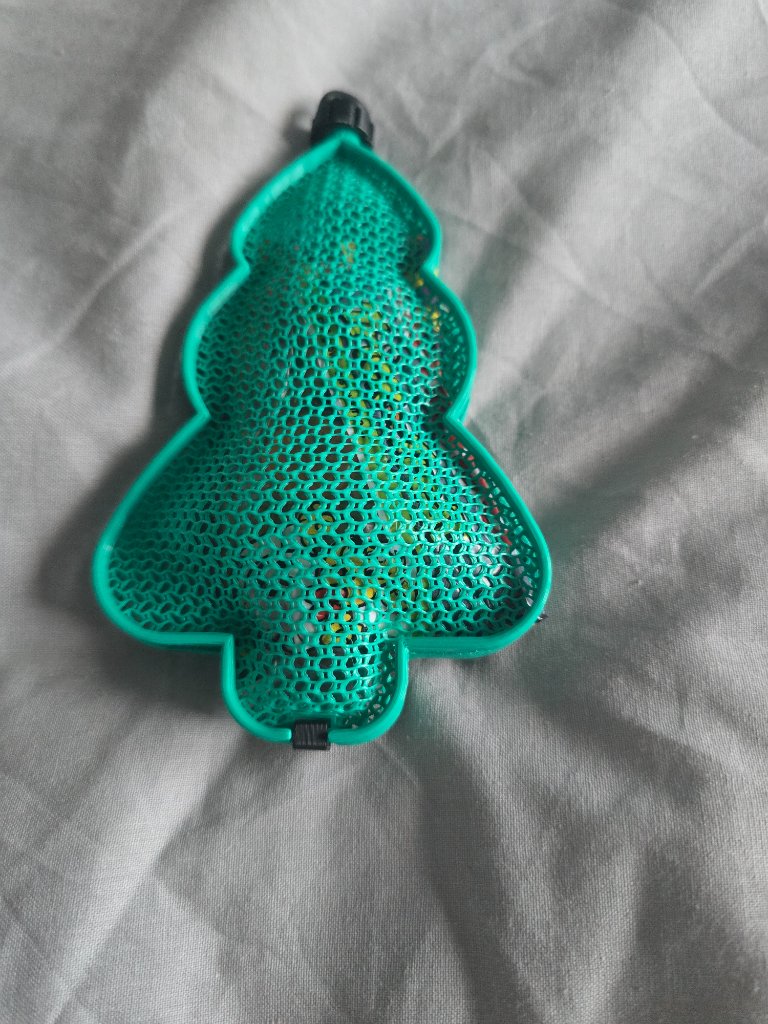
Thermoformed shapes ideal for Xmas and other holidays any shape can be done
Other · by scotsguy39
$100.00

POD - Bring Your Own Files | Custom 3D Printing
Other · by RogueCmdr3D
$45.00

Custom Signs & Lightboxes
Home decor · by RogueCmdr3D
$95.00

Bulk Printing & Seller Fulfillment
Other · by RogueCmdr3D
$150.00
Custom 3D Design & Printing - Your Idea, Made Real
Other · by RogueCmdr3D
$80.00
Makers with verified machines
Makers whose machines for this kind of work have been verified on The Spool List. Location shown is the city or country the maker entered.
 Kamlesh Bhoi
Verified maker
CNC machining
 thuyvan Ha
Verified maker
TôI, Việt Nam · Woodworking
 mohamed nossa
Verified maker
Suez, Eg · CNC machining
 Gulsah Topal
Verified maker
Digital design & 3D modelling
 Ketan Kubavat
Verified maker
Digital design & 3D modellingNickelMade
Verified maker
Fauquier County, United States · CNC machiningGöbel
Verified maker
Frankfurt Am Main, Germany · WoodworkingSpool member
Verified maker
CNC machiningSpool member
Verified maker
Stillwater, United States · CNC machiningMerle
Verified maker
South Dayton, United States · CNC machininglukasakunpubg45
Verified maker
CNC machiningvaibhavkaushik0001
Verified maker
Digital design & 3D modelling
How to brief a maker
- Attach a STEP file for the 3D geometry plus a PDF drawing that shows tolerances, threads and critical dimensions.
- Name the exact material and grade (for example aluminium 6061-T6 rather than just 'aluminium').
- Mark only the features that really need tight tolerances, because tolerances tighter than needed add machining time and cost.
- State the finish you want (as machined, bead blasted, anodised, powder coated) and any colour.
- Give the quantity, and ask for price breaks if you may reorder.
- For a replacement part, add photos of the original with measurements and say what it attaches to.
How buying works
01
Post your job or order in the free app, and talk to the maker directly — not a middleman.
02
Your payment is protected while the maker makes it — processed securely by Stripe.
03
The maker is paid after you confirm delivery.
Frequently asked questions
How much does CNC machining cost?
Price depends on material, part size, complexity, tolerances, finish and quantity. Machine time and setup are the main costs, so a simple part in aluminium costs less than a complex part in stainless steel or titanium, and setup costs are shared across a batch. Makers on The Spool List set their own prices: post your drawing and compare quotes.
Can I get a single one-off part machined?
Yes. Many makers take one-off jobs such as prototypes and replacement parts. The price of a single part includes setup and programming time, so it costs more per piece than a batch. Say clearly in your job post that it is a one-off so makers can quote for it.
What files do CNC machinists need?
A STEP file is the most useful because it keeps exact geometry. Add a 2D drawing (PDF or DXF) for tolerances, threads and surface finish notes. For flat routed or cut parts, a DXF or SVG outline may be enough. If you only have the original part, photos with measurements help makers judge whether they can reverse-engineer it.
CNC machining or 3D printing: which should I choose?
CNC machining suits strong, accurate parts in metals and engineering plastics and gives a better surface on flat faces and holes. 3D printing suits complex shapes, hollow parts and low-cost prototypes. For a first test, printing is often cheaper. For a final functional part, machining is often the better choice. You can post the job and ask makers for advice.
What tolerances can a CNC maker hold?
It depends on the machine, the material and the maker's setup. Hobby routers and professional machining centres differ a lot. State the tolerances you need on the critical features and ask makers to confirm they can hold them before you accept a quote. Each maker's registered machines are listed on their profile.
Can a CNC maker copy an old or discontinued part?
Often, yes. Send the original or detailed photos with measurements, the material if known, and what the part does. The maker may model it, machine it and check the fit. Parts that carry safety-critical loads, such as brakes or steering, should come from certified suppliers.
Free tools for this job
Specialist site
Sources checked 2026-09-30.