
Design Library
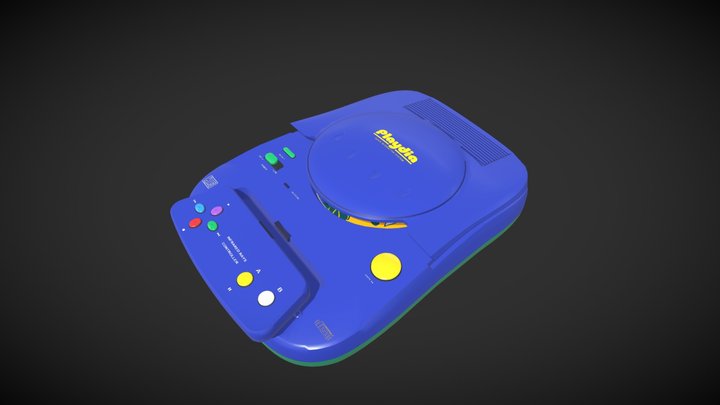
Bandai Playdia
by MATT
Bandai released Playdia in Japan during 1994 for 24,800 yen. The device targeted children and used CD-ROM for video, quizzes, and activities based on anime and educational characters. A wireless infrared controller removed cables in front of the television; its four coloured buttons selected routes
Post this design free and makers send you quotes with a price and a lead time. The design is attached to your job; you choose who makes it.
This design is hosted on Sketchfab. Its files download from there, under the licence shown.
Want to look at an STL, OBJ or 3MF file before you print it or post it? Open it in Chrome with our free STL viewer extension.
| Licence | CC BY |
|---|---|
| Source | Sketchfab |
| Designer | MATT |
| Attribution | MATT on Sketchfab · CC-BY 4.0 (attribution required) · Attribution required |
| Tags | retroconsoles |
More designs

Barad Dur_ No Base
by phillipRivers
FreeCC BY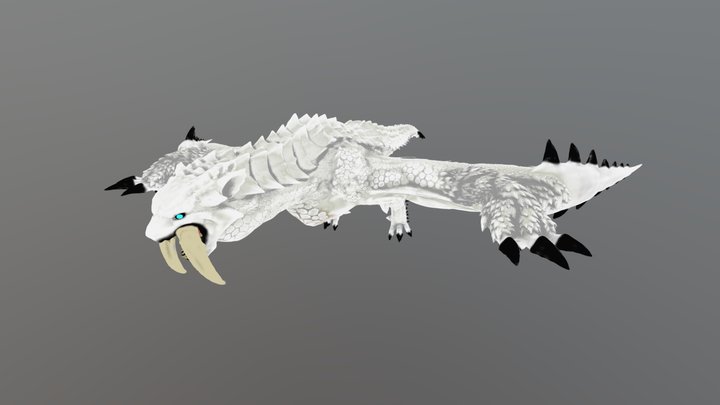
Barioth | Monster Hunter — 3D Creature Sculpt
by SammyCAnimations
FreeCC BY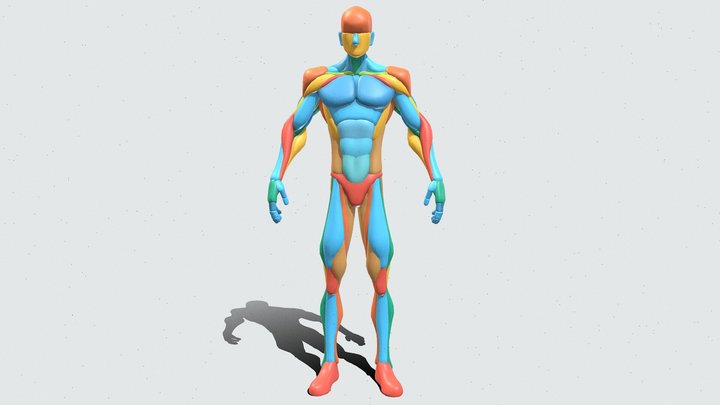
Base Mesh Pack - Male Anatomy Blockout
by PolyOne Studio
FreeCC BY
Basic Skateboard - Complete Setup
by Greased Ghoul
FreeCC BY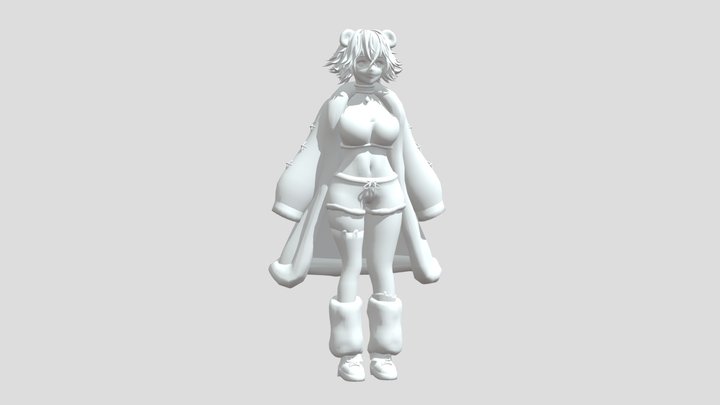
Beatrice Alfbern 3D Model
by THROWN-UP
FreeCC BY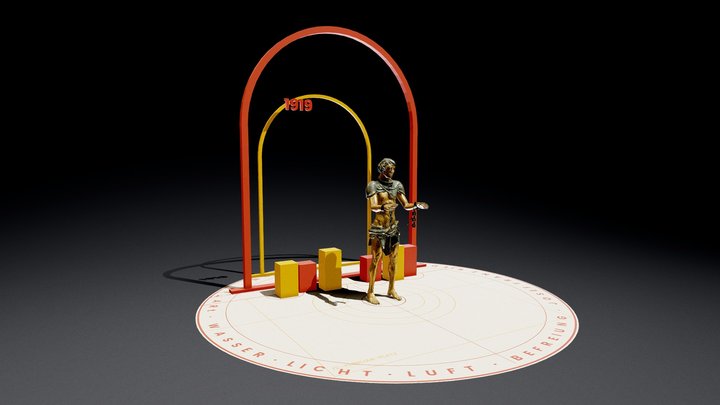
BEFREIUNG · Karl-Marx-Hof · K1_ARt
by MWintersberger
FreeCC BYPublish your designs
Upload STL, 3MF or OBJ files from the app. Each upload is reviewed before it appears here, and designers keep 80% of every paid sale.