
Biblioteca de diseños
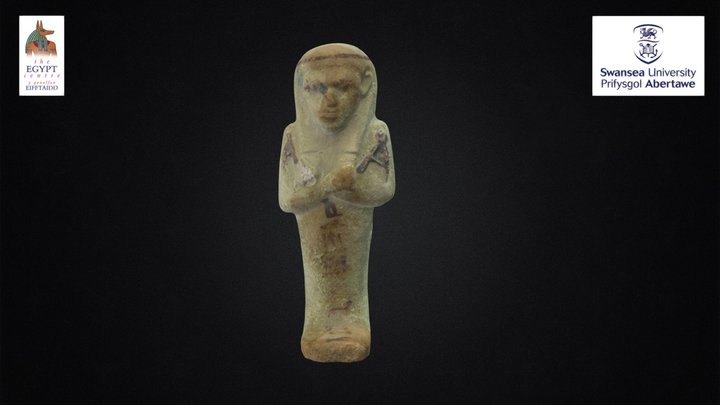
Shabti Of Bakendjehuty (1975.0689)
por The Egypt Centre
GratisCC BYSketchfab
A mummiform worker shabti made of faience with a pale green glaze and details painted in black or dark pigment, which dates to the Twenty-second Dynasty (c. 950–730 BC). The figure wears a plain tripartite wig detailed with a painted seshed headband tied at the back, with the knot and vertical ties
Publica este diseño gratis y los makers te envían presupuestos con precio y plazo. El diseño se adjunta a tu trabajo; tú eliges quién lo fabrica.
Este diseño está alojado en Sketchfab. Sus archivos se descargan desde allí, con la licencia indicada.
| Licencia | CC BY |
|---|---|
| Fuente | Sketchfab |
| Diseñador | The Egypt Centre |
| Atribución | The Egypt Centre on Sketchfab · CC-BY 4.0 (attribution required) · Attribution required |
| Etiquetas | egypt, abydos, museumcollection, shabti, faience, third-intermediate-period |
A mummiform worker shabti made of faience with a pale green glaze and details painted in black or dark pigment, which dates to the Twenty-second Dynasty (c. 950–730 BC). The figure wears a plain tripartite wig detailed with a painted seshed headband tied at the back, with the knot and vertical ties clearly rendered on the reverse. The facial features are simply modelled, with eyes and brows picked out in dark paint. The arms are crossed right over left across the chest, with the hands holding a pair of hoes (in relief) painted in black on the shoulders. On the back, a square basket with cross-hatching and carrying straps is painted across the upper body. A vertical column of text executed in a mixture of hieroglyphs and hieratic runs down the front of the legs, naming the owner as a priest of Amun called Bakendjehuty. Parallel worker shabtis are in Brussels, Manchester Museum, Garstang Museum, and Carmarthenshire Museum. Overseer shabtis for the same owner are known in Leiden and Brussels.
Publica tus diseños
Sube archivos STL, 3MF u OBJ desde la app. Cada archivo se revisa antes de aparecer aquí, y los diseñadores se quedan con el 80 % de cada venta de pago.