
Biblioteca de diseños
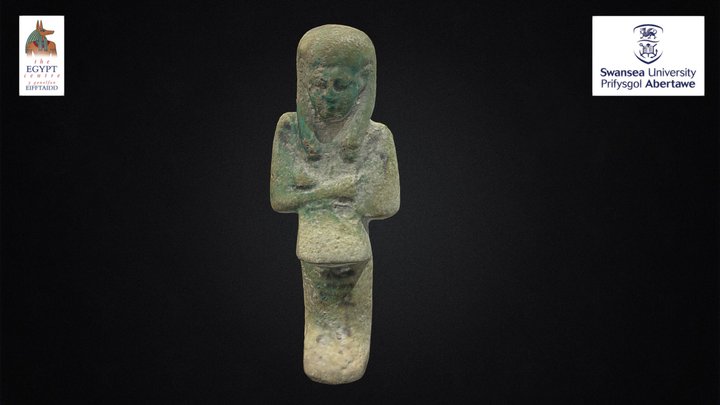
Overseer Shabti Of Ankhefenkhonsu (1975.0704)
por The Egypt Centre
GratisCC BYSketchfab
A mummiform overseer shabti of Ankhefenkhonsu, which dates to the Twenty-first to Twenty-second Dynasty (c. 1000–730 BC). It is composed of faience with a faded green glaze—though originally crafted in light blue—and features black-painted details. Depicted wearing the dress of daily life, the figur
Publica este diseño gratis y los makers te envían presupuestos con precio y plazo. El diseño se adjunta a tu trabajo; tú eliges quién lo fabrica.
Este diseño está alojado en Sketchfab. Sus archivos se descargan desde allí, con la licencia indicada.
| Licencia | CC BY |
|---|---|
| Fuente | Sketchfab |
| Diseñador | The Egypt Centre |
| Atribución | The Egypt Centre on Sketchfab · CC-BY 4.0 (attribution required) · Attribution required |
| Etiquetas | egypt, abydos, museumcollection, shabti, third-intermediate-period |
A mummiform overseer shabti of Ankhefenkhonsu, which dates to the Twenty-first to Twenty-second Dynasty (c. 1000–730 BC). It is composed of faience with a faded green glaze—though originally crafted in light blue—and features black-painted details. Depicted wearing the dress of daily life, the figurine is distinguished by a short, triangular-shaped projecting apron at the front of the waist. Unlike standard overseer shabtis that wear a bipartite wig and hold a whip, this figure wears a plain tripartite wig (lacking definition at the back). The arms are crossed right over left above the waist, holding a pair of hoes in the manner typically seen on worker shabtis, suggesting that these figures may have been modified worker models. Below the projecting apron, a single, unframed vertical column of black-painted hieroglyphs running down the front of the legs reading "The Osiris, Ankhefenkhonsu". The shabti likely originates from Abydos, with examples known in other collections.
Publica tus diseños
Sube archivos STL, 3MF u OBJ desde la app. Cada archivo se revisa antes de aparecer aquí, y los diseñadores se quedan con el 80 % de cada venta de pago.