Blog · Spare parts
The Part Nobody Will Quote
Every operations person has a graveyard of dead jobs. The bracket for a twenty-year-old machine that the OEM stopped making in 2009. The run of 800 non-standard washers that every distributor wants to sell you in lots of 5,000. The custom jig you sketched on a napkin that three shops "didn't have time for."
These aren't exotic requests. They're the ordinary, awkward, small-batch jobs that the traditional supply chain handles badly — or refuses outright. And they cost you far more than their price tag suggests.
Here's the hidden math. According to the RS and CIPS Indirect Procurement Report, the soft costs of sourcing, ordering and holding maintenance and operations parts can account for 60–70% of their total cost of ownership, while the product itself is only 30–40%. In other words, the process of buying the part often costs about twice as much as the part. The hours spent sourcing, comparing, calling, and chasing dwarf the part cost. The 2025 edition of the same research found businesses juggling an average of 92 separate suppliers for maintenance, repair, and operations spend — with the share using more than 250 suppliers jumping from 6% in 2023 to 15%.
That sprawl is the leak. And the un-gettable part is the symptom.
Why the awkward job is so expensive
The conventional supply chain is optimized for volume and standardization. It is structurally bad at exactly the jobs you need most:
- Obsolete and replacement parts with no catalog source at all
- Small batches where minimums force you to buy 10x what you need
- Custom or one-off work where nobody wants the setup hassle
- Time-sensitive parts where a four-week lead time kills the project
Each of these defaults you into a bad outcome: over-order and eat the dead stock, wait and lose the time, or improvise and accept the risk.

A different default
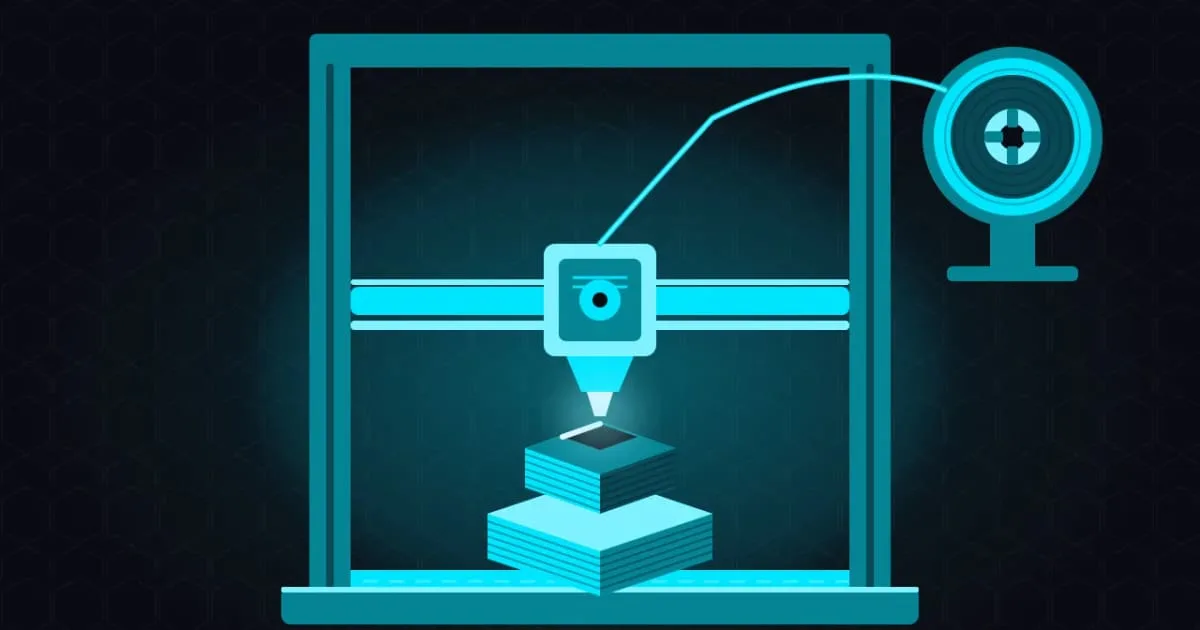
The Spool List flips the model. Instead of hunting through distributors and cold-calling shops, you post the spec — dimensions, material, quantity, deadline — to a marketplace of local fabricators. Within your radius, makers with the right machine (CNC, 3D printer, laser, water-jet, whatever the job needs) bid on it. You see price, lead time, and distance in one view, and you pick.
The un-gettable part becomes a posted job, with quotes coming to you.
This isn't a leap of faith. Xometry, the publicly traded on-demand manufacturing marketplace, reported $630 million in marketplace revenue for full-year 2025, up 30% year over year, with active marketplace buyers reaching roughly 81,800. "Post a spec, get matched to fabrication capacity" is a proven model. What's been missing is a version built for local, small-batch, multi-discipline work — the jobs too small for the enterprise platforms and too custom for a catalog.
Sources
Post it free and let makers bid. Payment is held until you confirm delivery.